
Arrest Warrants in Wadena County
In Wadena County, an arrest warrant comes from a judge, not from the sheriff or the police. A sworn criminal complaint lands on the judge's desk first. If the facts hold up, the judge signs an order naming the person, stating the offense, and directing law enforcement to bring that person before the court. Under Minn. Stat. 629.30, a peace officer may arrest under a warrant or in the other situations the statute permits.
From Complaint to Wadena District Court Warrant
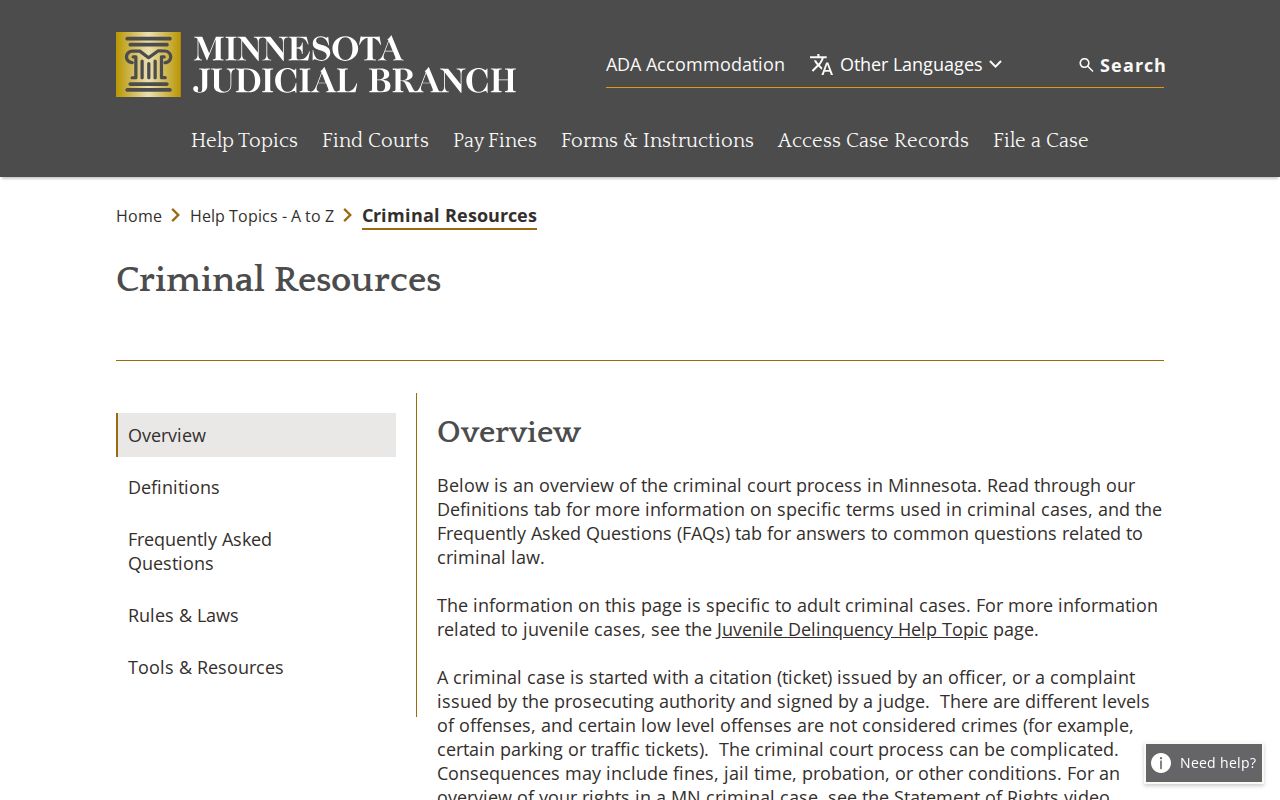
Before any Wadena County warrant issues, the case has to be built on paper. Minnesota Rule of Criminal Procedure 2 requires the complaint to state the essential facts, and Rule 3 governs the summons or warrant that follows once a judicial officer reviews the submission and decides whether process should issue. The state criminal help page explains what a warrant is and spells out what can happen when someone misses a court date.
Warrant flow: Complaint filed › judicial officer reviews probable cause › warrant or summons issues › service to a peace agency › arrest or notice › first appearance and release decision.
What a Wadena County Arrest Warrant Contains
A Wadena County warrant is a brief document. The complaint behind it holds the detail, and the court file ties the two together.
| Person Named | The defendant, identified by name and other available details. |
|---|---|
| Offense | The charge and its statutory level, drawn from the complaint. |
| Issuing Authority | The judicial officer and the Wadena County District Court case. |
| Direction to Serve | The order that a peace officer bring the person before the court. |
| Release Terms | Not stated on the warrant. Bond and conditions are set by the court later. |
The county's public active report shows a reason and an offense level. It does not display the complaint, the affidavit, or the judge who signed.
Where Probable Cause Comes From in a Wadena County Case
Probable cause is a review standard, nothing more. The complaint lays out the alleged facts. The investigating officer swears to the supporting information, and the Wadena County Attorney's office files the charging document. A judge then decides whether the threshold is met. Three offices touch the file before a warrant exists: the police or Sheriff's investigator who builds the report, the prosecutor who files it, and the judge who reviews it. Each keeps its own record, so one request rarely retrieves everything.
How Arrest Warrants Are Served
A peace officer or the Sheriff's Office executes the warrant, books the person, and brings them before a judge without unnecessary delay. Wadena County publishes the jail address and a general phone line. It posts no surrender hours, booking checklist, or bond window. That silence matters when you are planning a next step. Call before you go. Ask which office holds the warrant, and ask whether the court prefers a scheduled appearance or a surrender at the jail.
Which Wadena County Agencies Can Serve Process
Any local peace agency can execute a Wadena County warrant within its own authority. The county jail sits with the Sheriff's Office on Jefferson Street. The courthouse stands a short distance away at 415 Jefferson Street S.
Wadena County Sheriff's Office
415 S. Jefferson St., Wadena, MN 56482
218-631-7600
County patrol, investigations, jail, and service.
Wadena Police Department
121 Colfax Ave. SE, Wadena, MN 56482
218-631-7700
City policing and its own agency records.
Wadena County District Court
415 Jefferson St. S., Wadena, MN 56482
218-631-7633
Court Administration keeps the case file.
Menahga Police, Sebeka Police, and the Verndale dispatch route cover their own cities in Wadena County. Asking which agency holds the process beats asking one office to certify every warrant.
Arrest Warrant vs Summons vs Bench Warrant
At the start of a case, a Wadena County court picks between a summons and a warrant. A bench warrant is different. It enters later, when a case already moving stalls.
| Point | Arrest Warrant | Summons | Bench Warrant |
|---|---|---|---|
| When it appears | At charging, on probable cause | At charging, instead of custody | After a missed obligation |
| Custody | Authorizes arrest | Requires an appearance, not custody | Authorizes arrest or a return to court |
| Related record | Complaint and warrant | Complaint and notice | Case register entry |
A fourth category sits alongside these in Wadena County. A sign-and-release warrant neither requires bail nor authorizes arrest when its conditions are met.
Federal Warrants Take a Different Channel
Wadena County sits inside the federal District of Minnesota. That court holds sessions in Fergus Falls, St. Paul, Minneapolis, and Duluth. A federal warrant comes from a federal judge. Federal agents or the U.S. Marshals Service serve it, and it never appears on a county list.
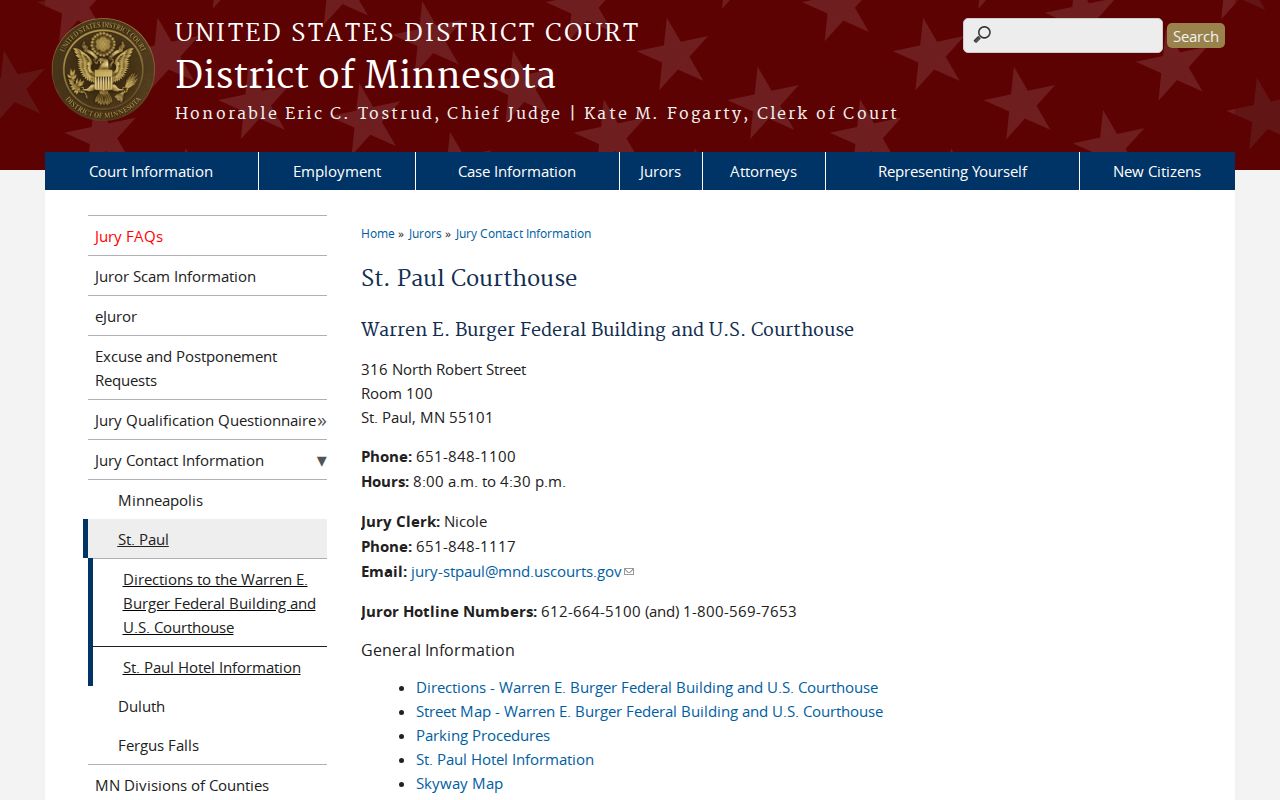
The District of Minnesota courthouse page lists the St. Paul location. Federal dockets run through PACER or CM/ECF. A sealed warrant may not display at all, so a Wadena County search cannot rule one out.
What to Do If There Is a Warrant for You
Talk to a defense attorney first, then call Wadena County Court Administration about the case. Ask whether an appearance can be scheduled. Ask whether a sign-and-release notice applies, and what bond or conditions the court has set. Minnesota release rules begin with personal recognizance or an unsecured appearance bond unless the court finds a reason for more.
Important: Do not wait for a traffic stop to settle this. Plan the appearance with counsel so the case moves the way you intend.
The Wadena County Attorney prosecutes these cases and cannot advise a defendant. No payment to a person or website clears a warrant. That route is not a court process, and no county page supports it.
Wadena's Level-of-Offense Field Is Not a Disposition
The Sheriff's report lists a level of offense, such as felony, misdemeanor, or other. That field describes how the case entered the system. The court's case type does the same, and neither one records what a Wadena County judge later decided.
An active warrant and a case outcome are different fields in different systems. Read the disposition in the court record, not on a public list.
An open warrant can sit beside a case that was later resolved in Wadena County. A resolved case can also show an old entry until the record updates.